
Briefing Book
Climate Finance Briefing Book
July 23, 2024
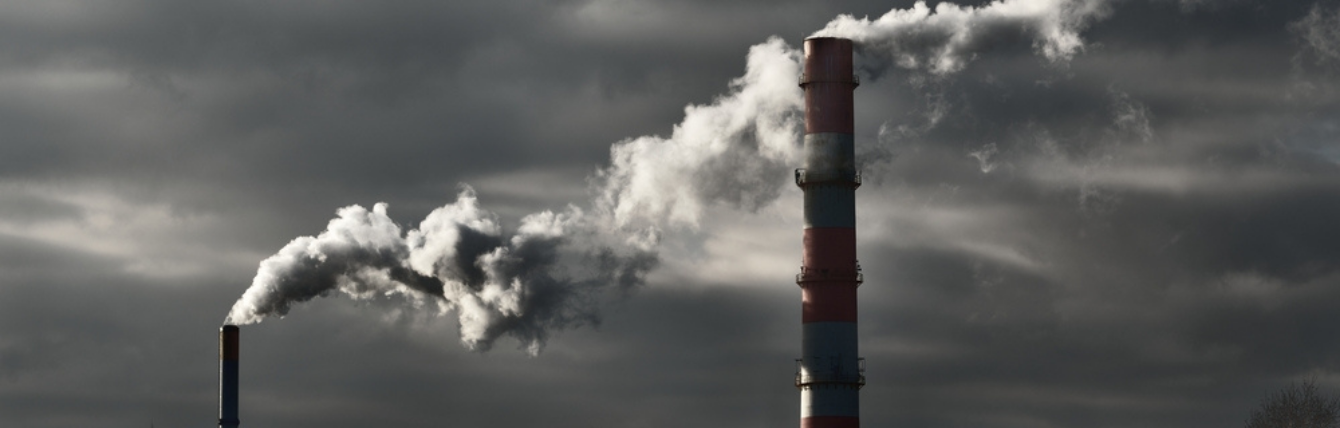
As the impacts of climate change develop, state legislators are working to address the increased risk created by climate change while ensuring healthy, resilient communities. Through policies like cap-and-invest, climate superfunds, and climate finance, states are creating sustainable sources of funding and modernizing insurance systems to better reflect climate risks. These policies can help states increase climate resilience while reducing emissions and increasing funding for social and environmental programs.
With federal climate funding increasingly uncertain, more states are exploring policies for corporate polluters to pay for climate damages and fund solutions. States like Washington and California have created economy-wide cap-and-invest programs, while others are joining regional initiatives such as RGGI (the Regional Greenhouse Gas Initiative). For climate superfunds, states like Vermont and New York have passed legislation to allow the state to recover financial damages from fossil fuel companies for the impacts of climate change.
Pollution from carbon dioxide and methane causes climate-related damage due to more frequent and severe extreme weather events, including flooding, storms, and wildfires.
Extreme weather events cost the U.S. more than $115 billion in 2025, due to direct impacts such as infrastructure damage, worker injuries, and agricultural losses.
Climate change can cost households over $1,300 annually, with increased costs especially concentrated in parts of the West, Midwest, and Southeast.