
Issue Brief
Active Transportation Issue Brief
August 3, 2023
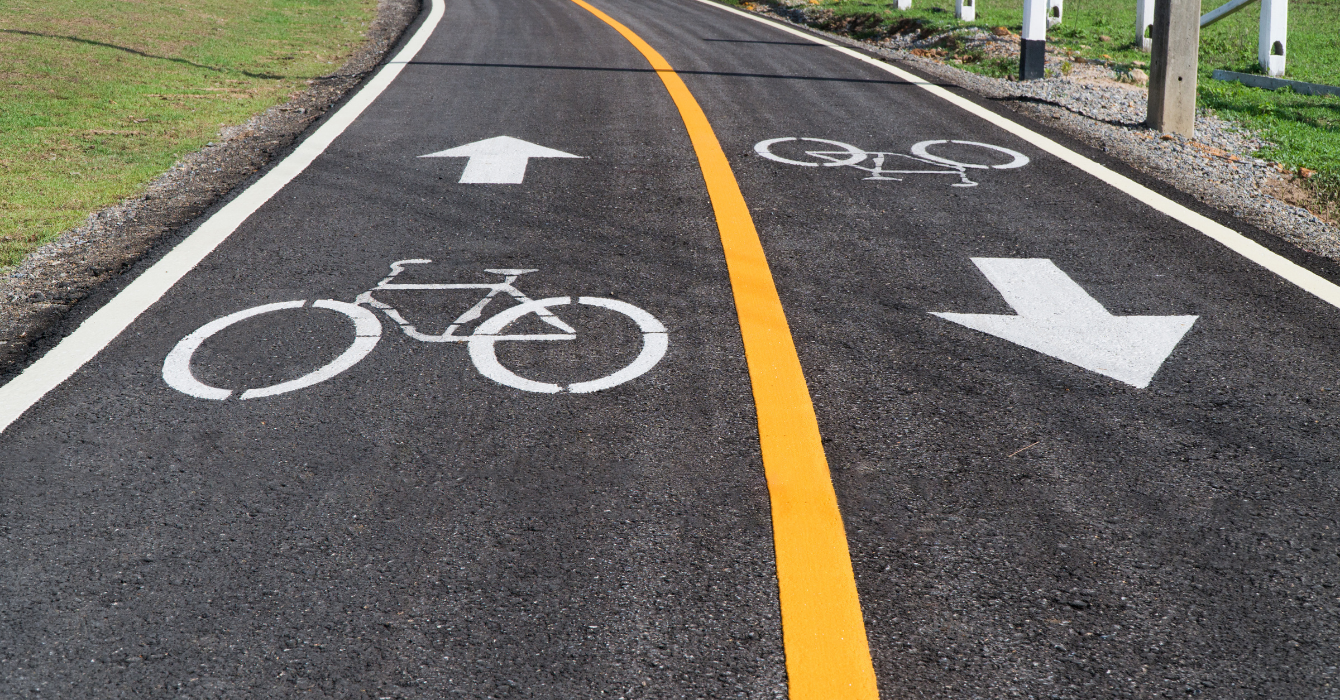
Active transportation is any self-propelled, human-powered mode of transportation, such as walking or bicycling. Increasing access and prioritizing the development of active transportation reduces a household’s reliance on single-occupancy vehicles and fossil-fuel-dependent vehicles. It also has implications for public health, including reduced cardiovascular risk and increased air quality.
Strategies to expand and improve forms of active transportation include:
Choosing a bike over a car just once a day reduces an average citizen’s carbon emissions from transport by 67%. (Bloomberg)
Active commuting that incorporates cycling and walking is associated with an 11% reduction in cardiovascular risk. (APHA)
A 5% increase in neighborhood walkability was associated with: 6.5% fewer vehicle miles traveled per capita, 5.6% fewer grams of nitrogen dioxide emitted per capita, and 5.5% fewer grams of volatile organic compound emitted per capita. (Safe Route Partnership)

Frank Hornstein, State Representative, Minnesota

Alana DiMario, State Senator, Rhode Island