Fact Sheet
Offshore Wind Fact Sheet
July 21, 2021
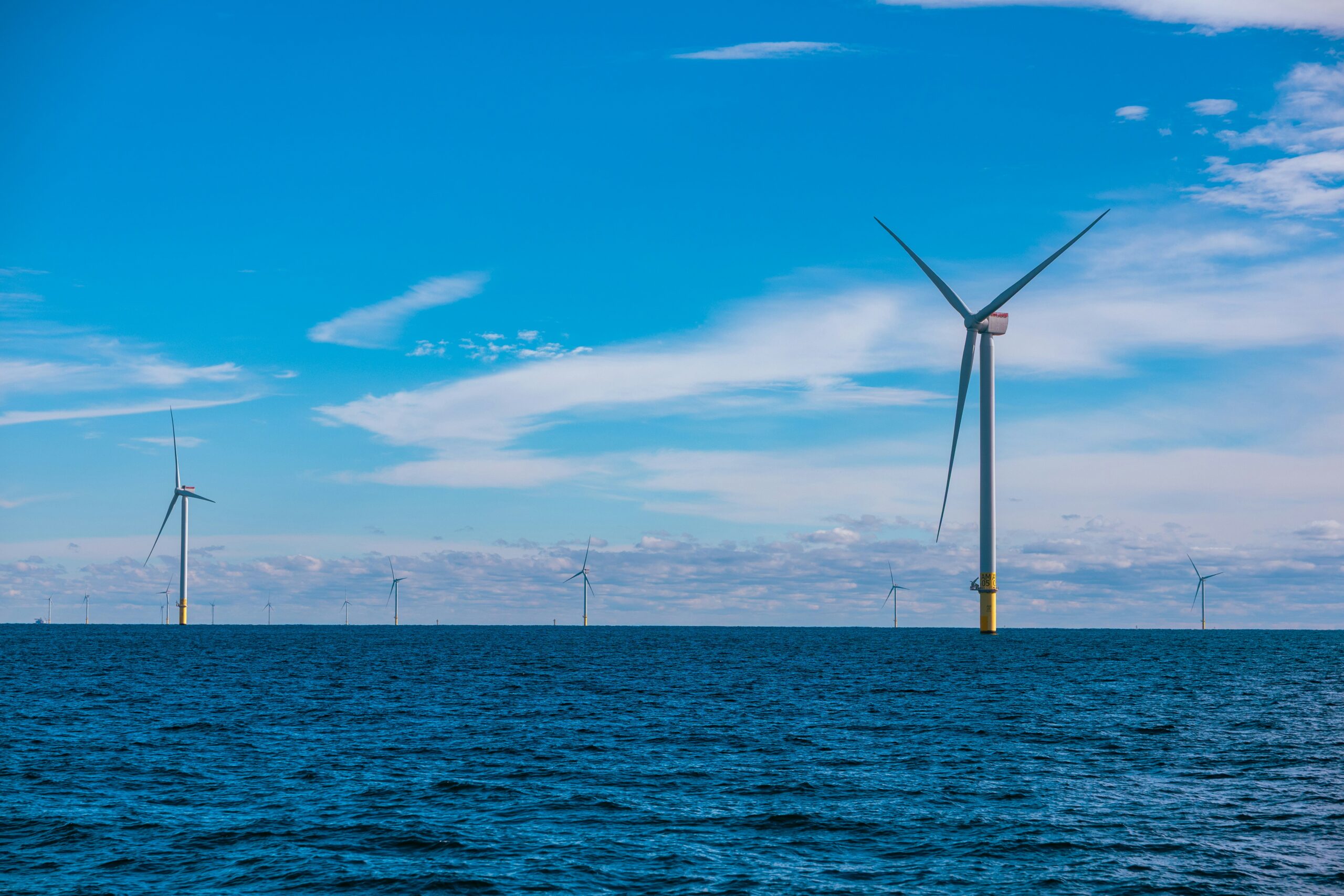
Offshore wind development on the U.S. East Coast is projected to deliver 83 gigawatts of energy capacity by 2050. Millions of acres have been sited in U.S. federal waters for offshore wind projects, with five major projects now underway along the East Coast. As part of the siting process, the Bureau of Ocean Energy Management (BOEM) prepares an Environmental Impact Statement to assess potential impacts on physical, biological, socioeconomic, and cultural resources. While many potential impacts are addressed through siting, remaining challenges can be minimized through proactive state action.
Offshore wind leasing processes vary depending on whether the project is sited for state or federal waters. For state waters, there must be an established leasing process carried out in coordination with federal agencies. Projects sited in federal waters are led by BOEM, but states must approve plans for any activities that run through state waters. (Stoel Rives, LLP)
Environmental impact assessments are required, captured, and evaluated for each offshore wind project through the Final Environmental Impact Statements (FEIS). Scientific monitoring, in coordination with state and federal agencies, is conducted for the lifetime of the project to measure impacts on fisheries, invertebrates, marine mammals, or sea turtles. (BOEM)
To support the coexistence of wind projects and the fishing industry, offshore wind projects have designated Fishery Liaisons to manage additional fishery-specific issues in their region. (BOEM)
While BOEM and other federal agencies play the leading role in federal offshore wind projects, states have power in these processes — such as offshore cable approval and permitting of onshore infrastructure — to maximize coexistence with offshore wind projects.
Your donation funds the fight for equitable actions that protect the environment and our health.
Donate