Policy Options

Data Centers

Region

National

NCEL Point of Contact

Emily Odgers
Grid Specialist

Contact

Overview

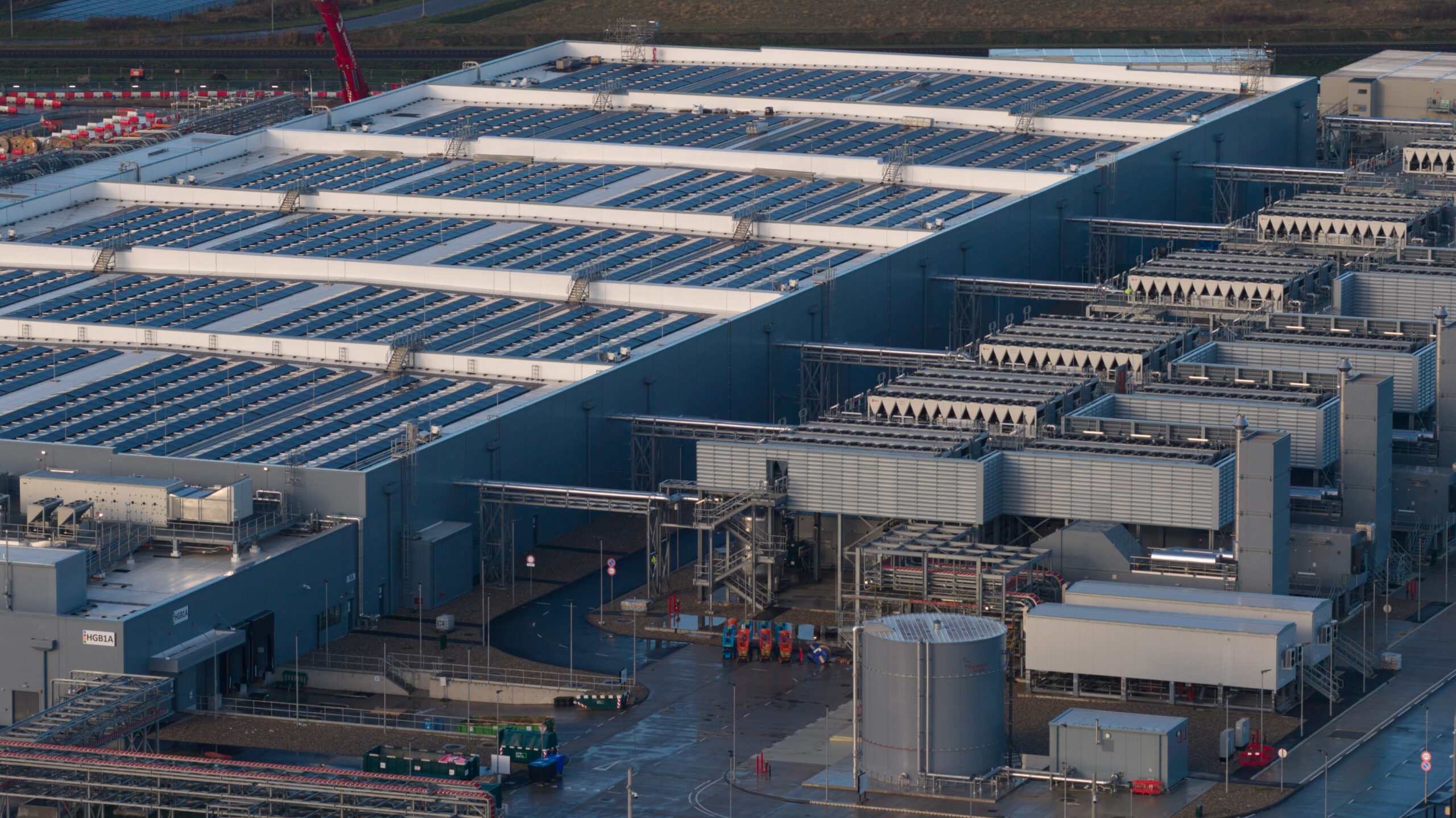
Data centers are rapidly expanding across the United States, driving sharp increases in electricity demand, exacerbating rising household energy costs, and adding growing pressure on local water systems and land use. Forecasts for data center electricity consumption continue to climb, prompting the buildout of additional energy infrastructure while straining electric grids and consumer energy bills. Beyond energy demand, data centers can deplete local water resources, worsen air pollution, consume rural land, and incentivize further fossil fuel development, among other environmental and community impacts. In response, state legislators are increasingly considering guardrails for this rapidly growing industry to protect communities, consumers, and the environment.

All legislation marked with two asterisks “*” indicates bipartisan sponsorship, and one asterisk “” indicates nonpartisan sponsorship.

Transparency

Public and state oversight for data centers is currently limited by a lack of public data regarding energy use, water use, and public health impacts. Additionally, nondisclosure agreements between artificial intelligence (AI) companies and local governments often limit a state’s ability to assess data centers’ community and environmental footprints.

  • *Nebraska LB 1010 (Enacted 2026): Requires data centers to annually report their water and energy usage — as well as other key data points — to the Department of Water, Energy, and Environment and the legislature’s Natural Resources Committee.
  • **Georgia SB 421 (Introduced 2026): Would prohibit local governments from entering into nondisclosure agreements that restrict the disclosure of electricity or water usage information from data centers.

Ratepayer Protection

Data centers are driving electricity demand and costs up across the country. States can restructure rates, implement contracts, and set fees to ensure large energy and water users like data centers — not residents or small businesses — fund the new infrastructure serving them.

  • South Dakota SB 135 (Enacted 2026): Requires utilities to establish rules requiring data centers to cover the costs they incur on the system, even if the project is halted or requires less electricity than projected. 
  • Alabama SB 270 (Enacted 2026): Requires the Public Service Commission to ensure that utility contracts with data centers include commitments to pay for new infrastructure and consider broader public benefits.

Load Flexibility

Meeting data center energy demand does not require building new power plants alone. States can require or encourage data centers to participate in demand flexibility programs, which incentivize or require large electricity loads to reduce their usage during periods of peak energy demand. Doing so can help states avoid costly infrastructure buildouts while increasing reliability. 

  • **Texas SB 6 (Enacted 2025): Empowers the state grid operator ERCOT to cut power to large loads, such as data centers, during grid emergencies.
  • Virginia HB 284/SB 371 (Enacted 2026): Requires utilities to develop a voluntary demand flexibility program for large energy users, with approval and oversight by the state utility commission.

Clean Energy

Because of their massive energy consumption, data centers pose significant risks to state decarbonization and air pollution goals. Many companies are investing in gas to power their operations, prompting states to enact clean energy requirements or incentives. 

  • **Minnesota HF 16 (Enacted 2025): Requires utilities to provide a clean energy tariff to data center companies. Creates an annual fee of between $2 million and $5 million on data centers, with funding going toward weatherization, energy upgrades, and bill assistance for low-income residents.
  • Illinois SB4016 (Introduced 2026): Would create a fast-track interconnection process for data centers that meet their demand through clean energy or demand response. Data centers that do not provide their own energy can have their power cut before residential areas, public services, and other essential infrastructure during emergencies.

Heat Reuse

Currently, wasted heat generated by large data centers is not captured or reused. By implementing standards for reusing this heat in other applications, states can improve overall energy efficiency and reduce emissions from nearby buildings and industrial processes.

  • Virginia HB 323 (Enacted 2026): Directs the Virginia Department of Energy to report policy recommendations for reusing data center waste heat for nearby facilities.

Moratorium

Rapid data center growth in some regions has outpaced the ability of utilities, regulators, and communities to plan for associated energy, water, and land use impacts, leading some jurisdictions to explore temporary moratoriums on development.

  • Maine LD 307 (Passed 2026, Vetoed): Would enact a temporary moratorium on permits for data center developments larger than 20 megawatts. Would also (1) establish the Maine Data Center Coordination Council, (2) direct the Council to examine data centers’ impacts on the environment, the grid, and ratepayers, and (3) evaluate policy interventions.

Water Use

Rapid growth in data center development is increasing pressure on local water supplies and groundwater resources, especially in drought-prone regions.

  • **Minnesota HF 16 (Enacted 2025): Allows a state agency to gather pre-application data on projected water use for new data centers, and requires the agency to ensure that data centers with projected high water use employ water conservation, efficiency, and watershed health methods. Requires aquifer tests in applications.
  • Arkansas SR 14 (Enacted 2025): Requires the Natural Resources Commission to monitor the impact of data centers on water usage and take action against a data center if it threatens critical state groundwater supplies.

Air Quality

Data centers often rely on backup diesel generators and on-site gas generation to fuel their operations. Expanded oversight and emissions restrictions can help to ensure that data center operations do not negatively affect air quality and public health.  

  • Colorado SB 26-102 (Introduced 2026): Would require that on-site generators meet the EPA’s Tier 4 Final Emission Standards, limit the number of hours a generator can run, and establish further regulations for their use. 

Cumulative Impacts

Data centers can add to the cumulative impacts in a region through increased emissions, fossil fuels, and water use. Cumulative impacts are the combined effects of multiple stressors on a community’s health, well-being, and quality of life outcomes. These impacts are often experienced at higher rates by historically marginalized communities.

  • Virginia HB 1266 (Enacted 2026): Directs the Department of Environmental Quality to include data centers when updating its Environmental Justice guidance, with an emphasis on evaluating cumulative impacts and strengthening public engagement.

Local Control and Land Use

Data centers can impact land use, infrastructure, and community character, yet local governments may currently have limited authority or guidance in regulating their siting. 

  • Vermont H.727 (Passed 2026): Would require data center development to be subject to review by the state’s Land Use Review Board.
  • Virginia SB 94 (Enacted 2026): Requires comprehensive site and utility impact assessments before local approval of new data centers and high energy use facilities.

Community Energy Upgrades

Structured community benefit mechanisms can help offset local impacts while supporting affordability and efficiency programs. 

  • Pennsylvania HB1834 (Passed House 2026): Would establish a fee for data centers to pay into a “Pennsylvania Energy Independence Account” that will be used to support community and distributed clean energy projects.
  • Maryland HB 1532/SB 841 (Enacted 2026): Establishes a community benefit fee of $1,000 per megawatt served. Funds are deposited in the state’s energy assistance and energy efficiency upgrades programs.

Resources

NCEL Resources

Online Resources

Data Centers Issue Page

NCEL's issue page on state action addressing the impacts of data centers.

Go to resource
Turning Data Centers into Grid and Regional Assets: Considerations and Recommendations for the Federal Government, State Policymakers, and Utility Regulators

American Council for an Energy Efficient Economy (ACEEE)'s recommendations for policymakers on transforming data centers into grid and regional assets.

Go to resource
Big Data Centers, Big Problems: The Surging Environmental and Consumer Costs of AI, Crypto and Big Data

This report from Frontier Group, US Pirg, and Environment America details obstacles and strains posed by data centers, AI, and cryptocurrency.

Go to resource
Extracting Profits from the Public: How Utility Ratepayers Are Paying for Big Tech's Power

Harvard Electricity Law Initiative's paper on how the pubic is paying the energy bills of some of the largest companies in the world.

Go to resource

Empower State Environmental Champions

Your donation funds the fight for equitable actions that protect the environment and our health.

Donate