Briefing Book
Blue Economy and Regional Partnerships Briefing Book
December 11, 2025
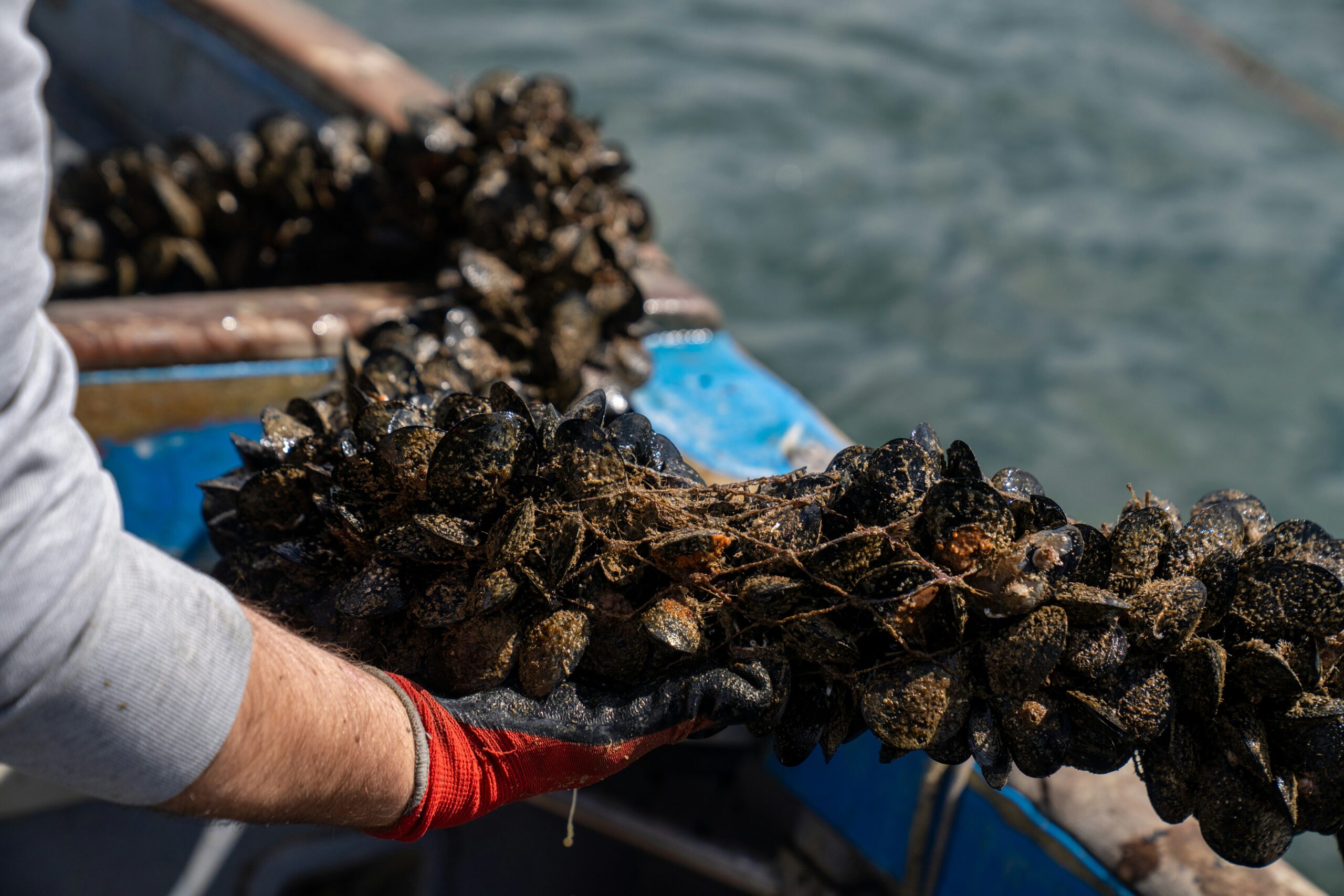
In the face of increasingly complex policy challenges and federal funding gaps, states and localities are left to act without reliable funding or sustained federal support. This sense of uncertainty, compounded by increased pressures from climate change, rapid coastal development and gentrification on waterfronts, and shifting global markets introduces many challenges for states. Yet, investing in the Blue Economy at the state or regional level provides the opportunity for states to drive sustainable economic development while preserving critical marine and coastal ecosystems.
At its core, the Blue Economy refers to the “business sectors that rely on the sustainable use of ocean resources for economic health, improved livelihoods, jobs or ecosystem health.” It encompasses a wide range of economic activities that depend on the ocean and coastal resources, including traditional sectors such as commercial fishing and maritime transport, as well as emerging industries like offshore wind, aquaculture, and marine biotechnology. What distinguishes the Blue Economy is its emphasis on sustainability — supporting economic growth while protecting the long-term health of ocean and coastal ecosystems.
Working waterfronts are a vital part of this equation. These are the physical spaces that support water-dependent industries — ports, shipyards, seafood processing, ferry terminals, and public and private access points. They are not only essential for the functioning of Blue Economy sectors but also face increasing threats from coastal development, environmental degradation, and rising property values.
Recognizing both the economic potential and the challenges ahead, a growing number of states are taking proactive steps to promote and protect their Blue Economies. These efforts include statewide ocean and coastal strategies, funding for resilient infrastructure, support for workforce development, and incentives for sustainable innovation.
Currently, only two states have defined the Blue Economy in statute: Maine and Florida. Maine is focused on protecting access to the working waterfront, expanding aquaculture, and researching floating offshore wind in the Gulf of Maine, while Florida is focused on coastal tourism, coastal resilience, and outdoor recreation.
In addition to legislation, regional partnerships can serve as a strategic governance tool for states to align goals, pool resources, and implement innovative policy solutions for protecting working waterfronts, promoting climate and coastal infrastructure resilience, and developing innovative new ways to invest in our nation’s growing Blue Economy.
States may leverage existing regional partnerships to collaboratively develop roadmaps and pool resources to invest in blue economy industries and protect large swaths of working waterfronts.
Establish regional Blue Economy Compacts to coordinate climate adaptation, aquaculture standards, permitting processes, and investment into offshore wind, working waterfront protection, and port infrastructure investment among coastal communities. This can help ensure consistent permitting and shared emergency response resources across regions.
Develop Blue Economy Banks or Working Waterfront Resilience Funds where states pool resources to invest in blue economy industries and to protect working waterfronts. These monies will help states ensure existing working waterfront infrastructures are resilient in the face of increasingly powerful storms, along with creating pools of investment for building out or developing new working waterfronts.
To learn more, visit NCEL’s Blue Economy webpage or contact NCEL Ocean Program Manager, Alissa Weinman at alissa@ncelenviro.org.
Your donation funds the fight for equitable actions that protect the environment and our health.
Donate