
Briefing Book
Blue Economy and Regional Partnerships Briefing Book
December 11, 2025
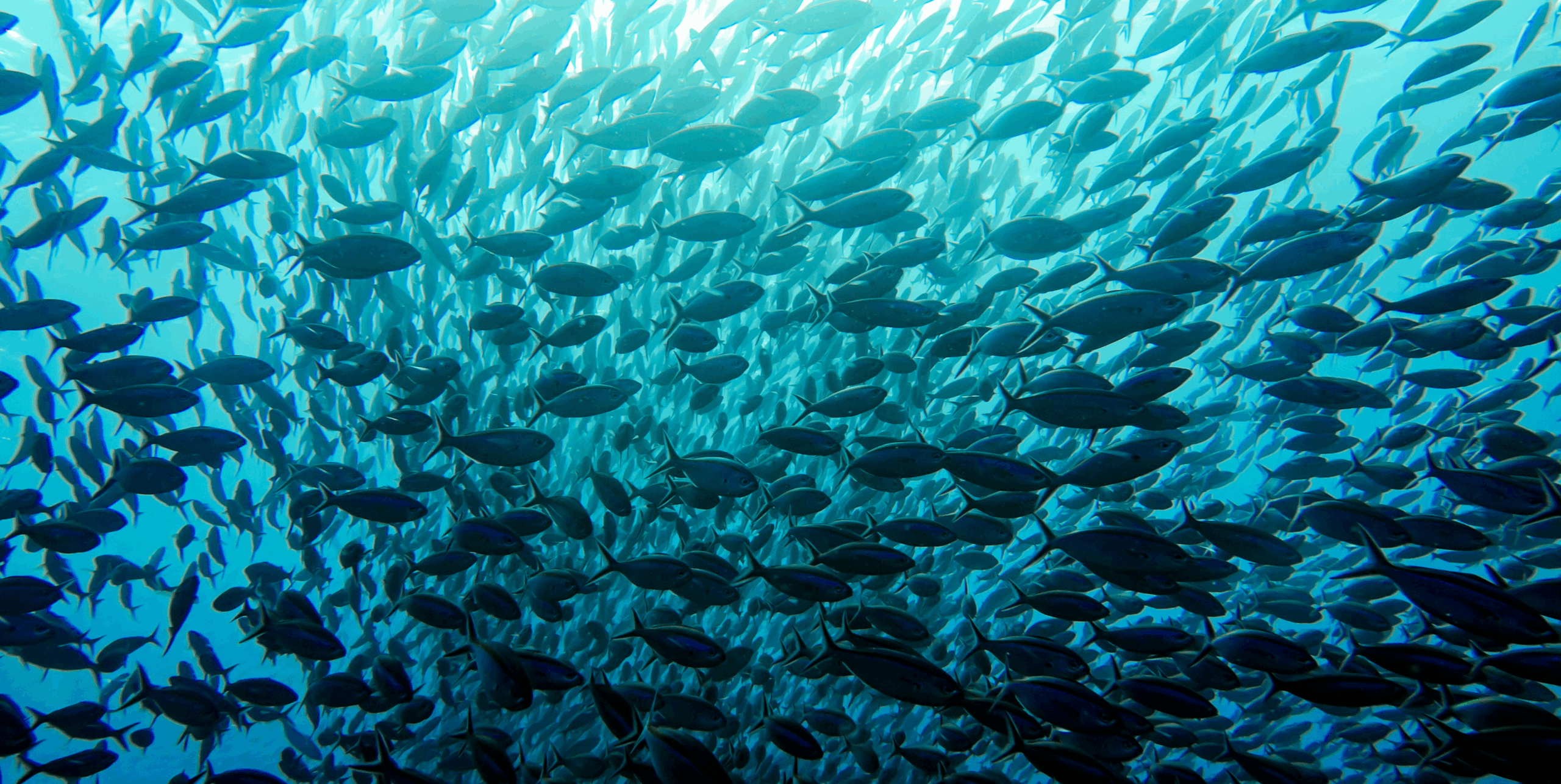
Wild-capture fisheries, both commercial and recreational, have long played an important role in national seafood production. In the U.S., hundreds of different species are fished and landed at ports, generating billions of pounds of food across eight coastal regions. More recently, sustainable aquaculture (i.e., farmed seafood) has emerged as a complementary component to strengthen U.S. food systems, now comprising 9% of domestic seafood production. Currently, most aquaculture production takes place through inland systems, but the expansion of nearshore and offshore projects is being highlighted in a series of state and federal priorities. Together, these industries support a robust and resilient seafood sector in the U.S. — creating jobs, strengthening working waterfronts, and contributing to the blue economy.
Policy pathways can promote the development of sustainable fisheries and aquaculture in coastal states, while protecting the environment that supports these resources. State lawmakers can leverage a suite of legislative options to support these systems in their regions, including (1) interagency fisheries management, (2) responsible and efficient aquaculture permitting processes, (3) development of port and harbor infrastructure, and (4) environmental protection measures.
In 2023 alone, U.S. fisheries produced $319 billion in sales and supported 2.1 million jobs.
Aquaculture, a growing industry in the U.S., yielded 688 million pounds of seafood and $1.3 billion in 2023.
Federally, NOAA Fisheries has established ten National Standard Guidelines to ensure the sustainable management of 506 fish stocks across the country, which states can use as a framework for managing fisheries in and around their waters.