Fact Sheet
Community Solar Fact Sheet
December 1, 2023
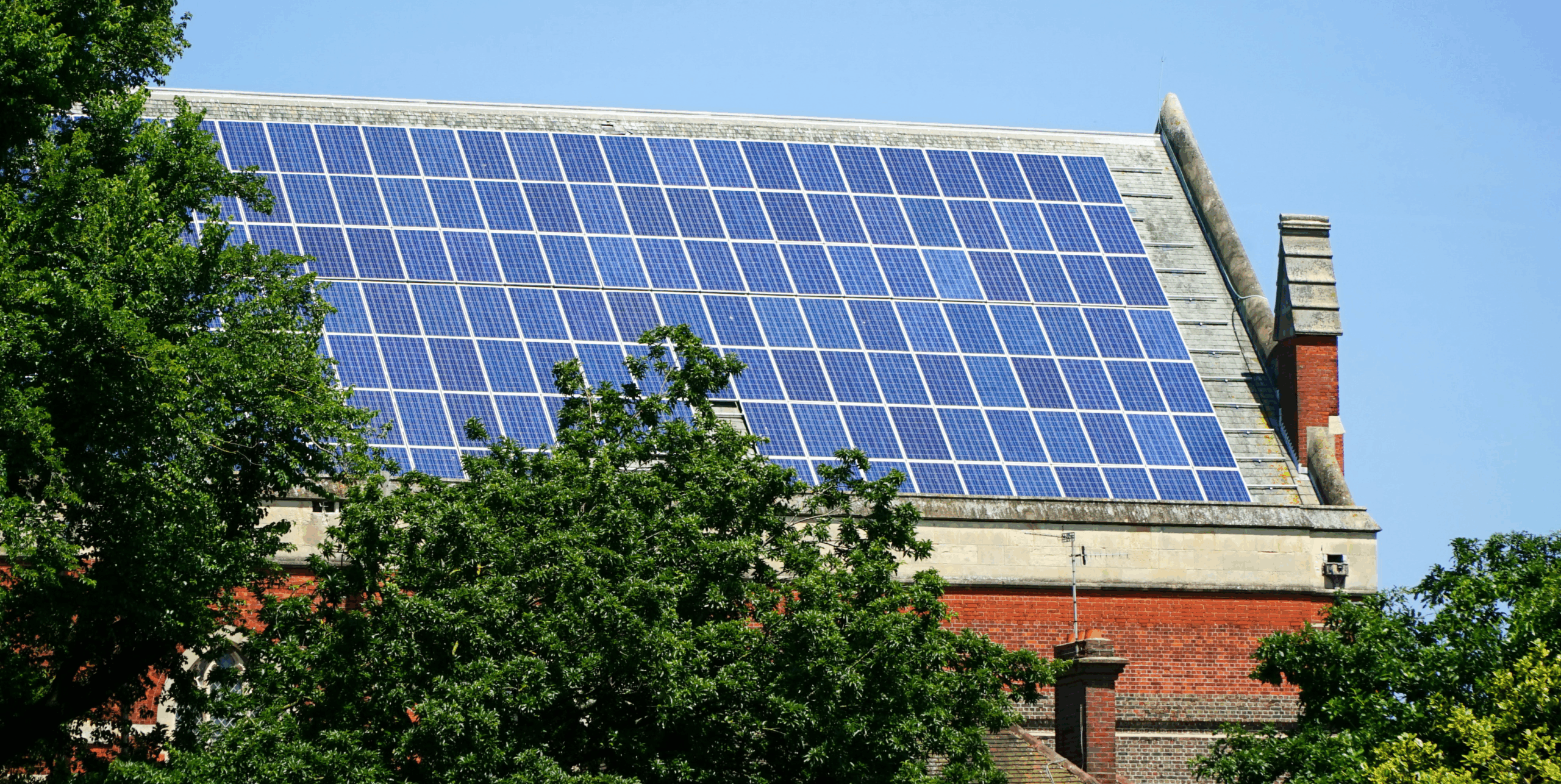
Distributed solar and batteries are small-scale energy resources that generate and store power close to where it’s used. These technologies — including rooftop solar, community solar, home batteries, and microgrids — help lower electricity costs, decarbonize the electric system, and increase energy reliability by making communities less reliant on centralized power systems.
Distributed solar and batteries — along with other resources such as electric vehicles and demand response — are collectively known as Distributed Energy Resources (DERs). DERs can be aggregated and synchronized to meet large-scale energy needs, reduce strain on the grid, and provide backup power during critical periods.
State lawmakers play a crucial role in the deployment of DERs. States set the standards for how these resources interconnect to the grid, as well as the compensation and rate designs that shape their economic value. By easing regulatory burdens, incorporating DERs into planning, and developing programs for community solar and agrivoltaics, states can support local economies while advancing clean energy goals and improving reliability.
The majority of American households could reduce their electricity costs by an average of 15% by installing a solar-plus-battery system, while also being able to meet at least half of their electricity needs during a power outage. Solar itself can also increase home values by approximately $15,000.
The average community solar subscriber reduces their electricity costs by 10% over the life of their subscription. Community solar allows multiple customers, including renters, homeowners, non-profits, and business owners, to subscribe and benefit from a local solar project without panels needing to be located on their property.
Residential solar in the U.S. is up to seven times more expensive to install than in peer countries such as Australia and Germany. Much of this cost difference is a result of “soft costs” (expenses related to administrative needs, such as permitting and inspections).