Policy Update
New Jersey Passes Strongest “Skip the Stuff” Legislation in the Country
February 6, 2026
Overview
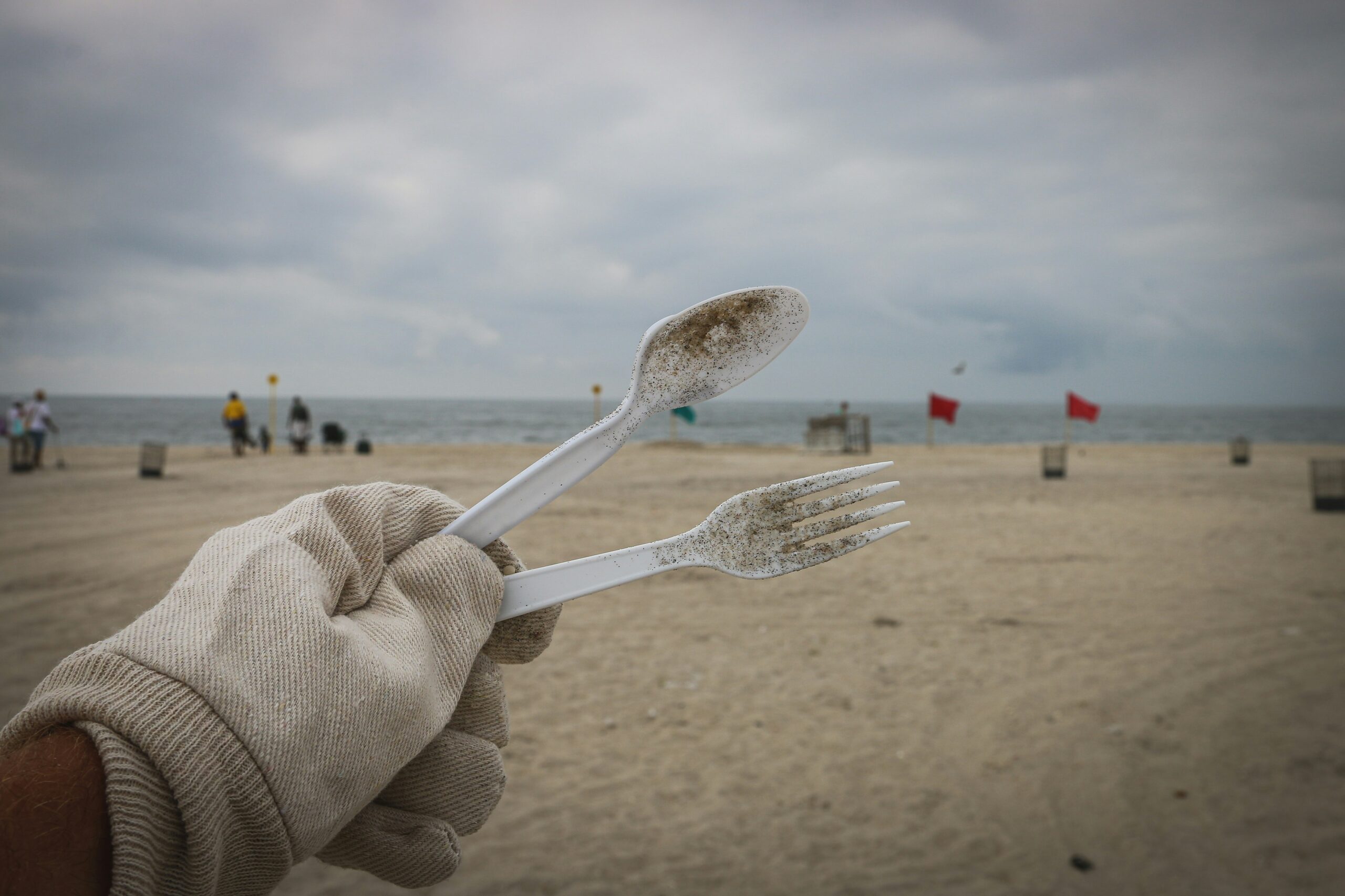
In January 2026, New Jersey passed the most robust “Skip the Stuff” legislation in the country (S3195) to reduce plastic waste. The bill requires food service businesses to provide single-use utensils and condiments only upon request and requires full-service restaurants to provide reusable utensils for dine-in customers. New Jersey’s “Skip the Stuff” builds on more than 60 town ordinances across the state, aiming to reduce waste and litter while saving small businesses money and waste handling costs.
- Why It Matters: The U.S. recycles just 5% of its plastics, with the majority of waste ending up in landfills, incinerators, or the environment. Plastic utensils present an additional challenge: they are too small to be recycled and can jam recycling machinery. At the same time, close to one trillion individual pieces of disposable foodware and packaging are used each year by U.S. food service businesses and restaurants, with 21% used for on-site dining and 79% for take-out and delivery.
Key Components of the Bill
The key components of New Jersey’s “Skip the Stuff” legislation (S3195) and how it will reduce plastic waste from the food service industry are highlighted in more detail below:
- Not a Ban: Food service businesses are required to provide single-use utensils and condiments upon request.
- Reuse for On-Site Dining: Full-service restaurants that can seat 10 or more patrons must provide reusable utensils for dine-in customers.
- Education Campaign: The Department of Environmental Protection (DEP) will develop a 180-day campaign to educate New Jerseyans on the financial and environmental benefits of reducing the quantity of single-use utensils and condiments offered.
- Exemptions: School cafeterias, healthcare, and correctional facilities.
- Implementation: Begins August 1, 2026.
National Context
New Jersey joins several other states with “Skip the Stuff” in place, including California and Washington, as well as cities such as Denver and New York City.
Stay Informed on State Policy With NCEL
Stay up to date on trends in single-use plastic and plastic pollution policy across the country this year with NCEL’s Bill Tracking Map.